How Your Gut Environment Shapes Your Microbiome
Have you ever wondered what makes your gut microbiome uniquely yours? Despite the wealth of research linking our gut microbes to health and diet, there’s a crucial, often overlooked piece of the puzzle: the environment inside your gut itself. A groundbreaking study has revealed how two key factors, transit time and pH, profoundly influence the composition and activity of your gut microbiome, shaping your health in ways we’re only beginning to understand.
Your Microbiome: A Unique Ecosystem
As mentioned in other Brain Fuel blog posts, your gut microbiome is a collection of trillions of microorganisms that live in your digestive system, helping you digest food, produce essential nutrients and support your immune system. While diet plays a significant role in shaping the microbiome, this study highlights that even people eating the same foods can have vastly different microbial profiles. Why? The environment within their gut, how food moves through it (transit time), and its acidity (pH) can create dramatic differences.

Your gut is a house for your invisible residents; it shapes their activity and the community makeup.
The Study: Tracking the Gut in Action
In this innovative 9-day observational study, researchers monitored the gut environment of 61 healthy participants. Using advanced tools like wireless capsules (SmartPills) to measure transit time and pH levels, alongside daily tracking of stool consistency, frequency and microbial activity, the researchers painted a detailed picture of how gut physiology influences the microbiome.
Key findings included:
Transit time
The time it takes food to travel through the gut varies widely, from 12 hours to over three days.
pH changes
Acidity fluctuates along the digestive tract, from highly acidic in the stomach to slightly alkaline in the large intestine.
Daily variation
Even within the same person, gut microbial activity and metabolites varied from day to day, influenced by changes in stool moisture and pH.
How Transit Time Shapes Your Gut
Transit time plays a pivotal role in determining which microbes thrive in your gut. Faster transit times favour microbes that ferment carbohydrates, producing beneficial compounds like short-chain fatty acids (SCFAs), which help reduce inflammation and support gut health. Longer transit times, however, lead to protein breakdown (proteolysis), releasing metabolites linked to poorer health outcomes, such as hydrogen sulfide and ammonia.
This explains why constipation can sometimes increase the risk of gut-related issues: a longer time in the colon allows for greater protein degradation, creating a less healthy gut environment.
The Role of pH in Gut Health
The pH levels along your digestive tract influence which microbes can survive and function. A lower pH (more acidic) encourages the production of SCFAs, which contribute to a healthy gut lining and microbiome. On the other hand, higher pH (less acidic) levels in the colon are associated with metabolites from protein breakdown, which can be harmful if produced in excess.
Interestingly, the study found that even small changes in pH levels could significantly affect gut microbial activity, highlighting the delicate physiological balance required to maintain gut health.
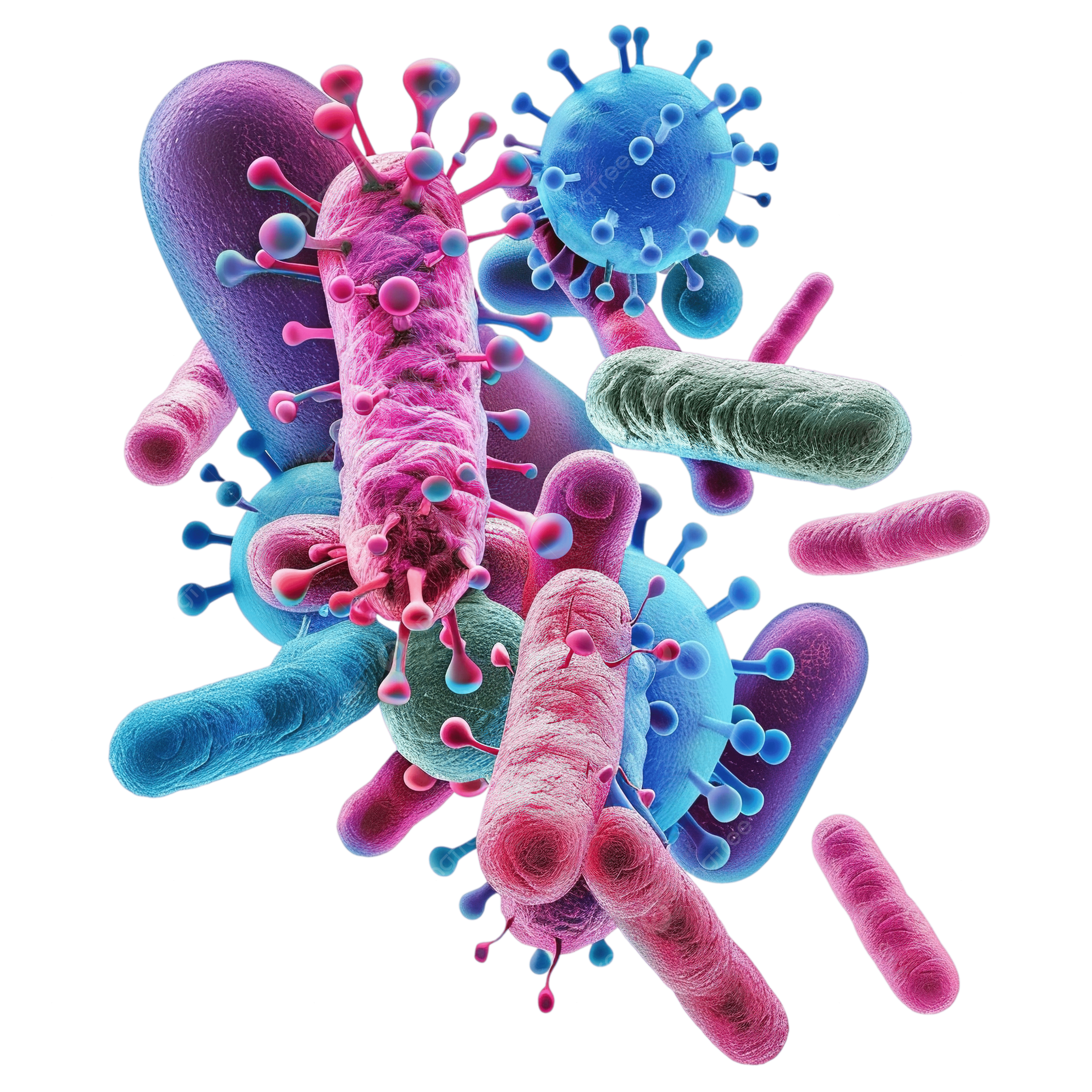
You have trillions of microbes living inside you. The gut environment partly determines ‘who’ lives there.
What Does This Mean for You?
Understanding the role of gut transit time and pH opens new possibilities for improving gut health. Here’s how you can take charge:
Eat more fibre
High-fibre foods like fruits, vegetables and whole grains promote faster transit times and support beneficial microbes.
Stay hydrated
Water helps keep stool moisture levels optimal, ensuring smoother digestion.
Limit processed foods
Diets high in processed foods can disrupt your gut environment.
Tune into your body
Understanding your gut’s rhythms and responding to signs like constipation can help you maintain a healthier microbiome.
The Future of Gut Health
This research sheds light on how individual differences in gut physiology, shaped by transit time and pH, can lead to personalised microbiome responses. As scientists uncover more about these dynamics, we may soon see tailored dietary or lifestyle interventions designed to optimise gut health for each unique microbiome.
This makes me think about the multitude of stress factors that shape the gut environment - what we’re exposed to on a daily basis (our ‘exposome’), our genetics and even our personality traits, and how these shape the microbiome, which in turn influences our central, immune and hormone systems… There are mind-blowing feedback loops inside your walking ecosystem.
Check back soon for more untangled science on the Brain Fuel blog.
Also, subscribe to the Nature. Gut. Brain. YouTube channel to learn more: https://www.youtube.com/@naturegutbrain
For more on how microbes shape our lives and the world around us, see the Invisible Friends book.
www.jakemrobinson.com