
MISSION
We use neuroscience, microbiome science and systems thinking to design tools, products, workshops and stories that help people thrive — while restoring the nature we all depend on.
WHO WE ARE
-
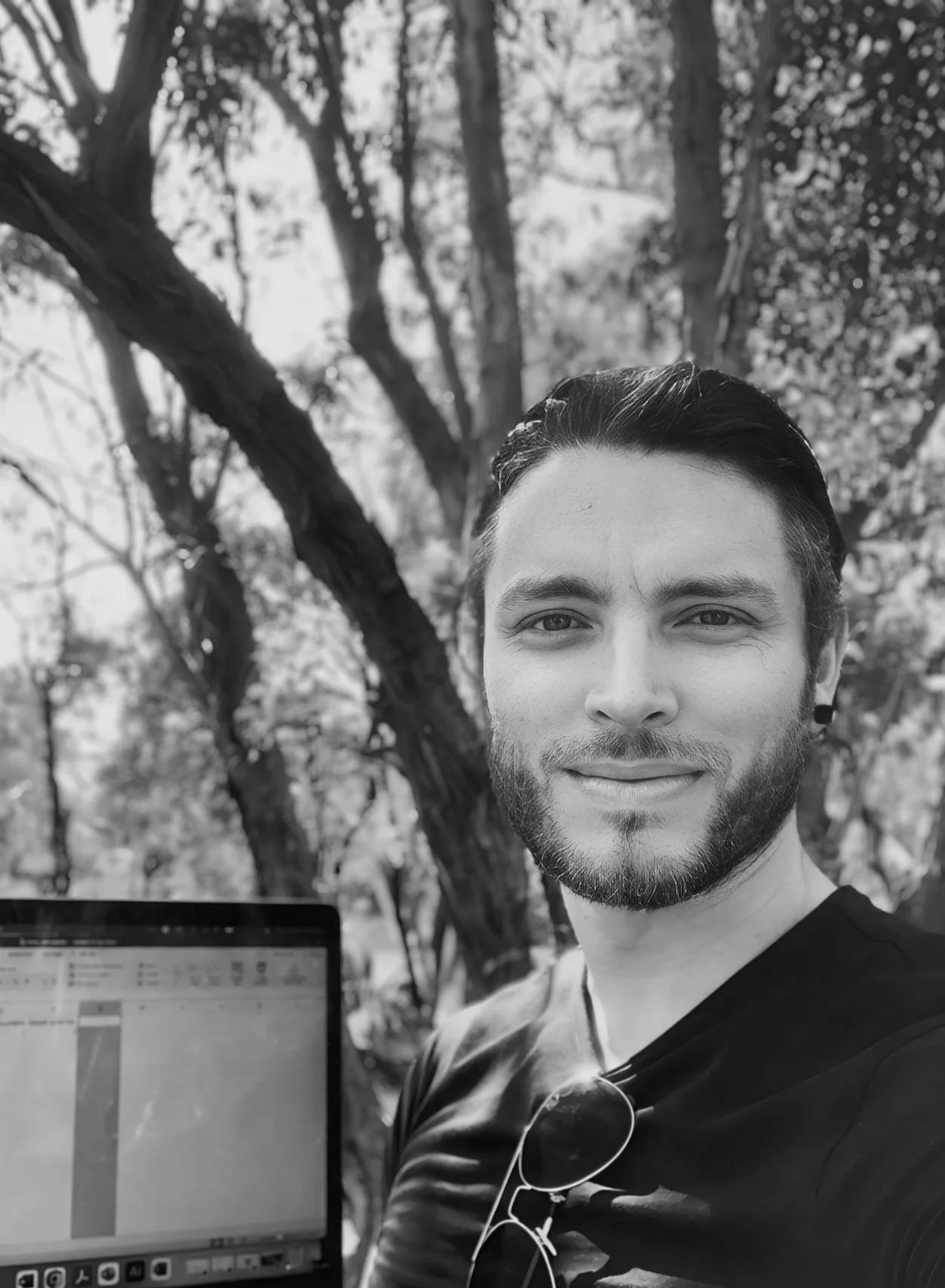
Dr Jake M. Robinson
FOUNDER & DIRECTOR
Dr Jake M. Robinson is a scientist, author and speaker exploring how nature keeps us healthy. He studies how microbes from soil, air and plants, and our sensory experiences, affect our gut, brain and wellbeing. Jake’s PhD investigated the connections between ecosystems, microbiomes and human health, and he holds qualifications in ecology, ecosystem health, social research, neuroscience and microbial ecology.
With a passion for innovation and reconnecting people with nature, Jake combines cutting-edge science with storytelling to inspire healthier, more meaningful lives. His mission is simple: to help restore the relationships that allow both people and ecosystems to flourish.
Jake has published over 60 peer-reviewed scientific articles and has written three popular science books, including Invisible Friends: How Microbes Shape Our Lives and the World Around Us, Treewilding: Our Past, Present and Future Relationship with Forests, and The Nature of Pandemics: Why Protecting Biodiversity is Key to Human Survival.
YouTube channel: @naturegutbrain
-
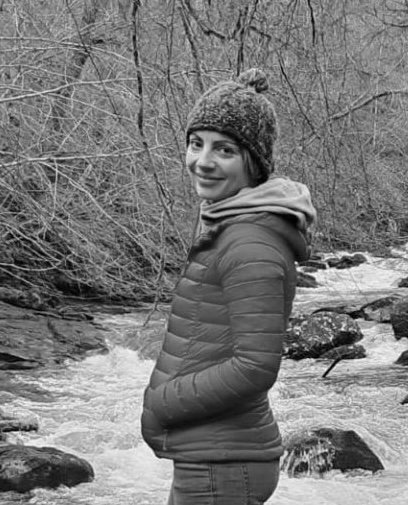
Dr Alexia Barrable
SCIENTIFIC ADVISOR
Leading expert on nature connectedness
Alex's research sits at the intersection of psychology and education, and in particular, human-nature interactions and the human-nature relationship, in educational settings and beyond.
Her research explores how different experiences and pedagogical approaches can promote (or hinder) nature connection in children, and how positive childhood nature experiences impact lifetime nature connection, wellbeing and pro-environmental behaviours.
She is also interested in the promotion of mental health and wellbeing across the life span, through interactions with the natural world.
Alex is pioneering the concept of ‘Dirty Play’, the unstructured, tactile engagement with soil, mud and other microbially rich natural materials, as a critical intervention for promoting health equity among children.
She has written several books, including Growing Up Happy, Growing Up Wild and Nature-Based Learning. She’s also an advisory panel member for Playful Green Planet.
-
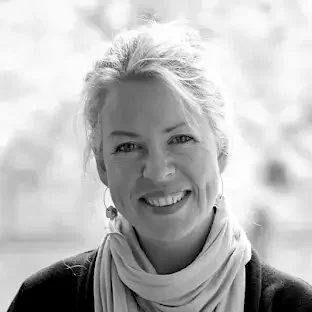
Prof. Felice Jacka
SCIENTIFIC ADVISOR
Leading expert on nutritional psychiatry
Felice is a world-renowned Deakin Distinguished Professor of Nutritional Psychiatry. She is the founder and director of the Food & Mood Centre at Deakin University and the founder and immediate past president of the International Society for Nutritional Psychiatry Research. Professor Jacka developed the highly innovative and impactful field of ‘Nutritional Psychiatry’, establishing diet as a risk factor and treatment target for mental disorders.
Felice is widely recognised as an international leader in the field of Nutritional Psychiatry research. She is an ISI Highly Cited Researcher (2020-2024, inclusive), putting her in the top 0.1% of publishing scientists worldwide for impact. In 2021, she was awarded a Medal of the Order of Australia (OAM) for her services to Nutritional Psychiatry. She has written two books for commercial publication, including the very popular children’s book ‘There’s a Zoo in My Poo’.
Felice is passionate about food and its impact on personal and planetary health. Her love of food led her to question whether what we put in our mouths every day affects more than our waistline – what about our mental health?
-
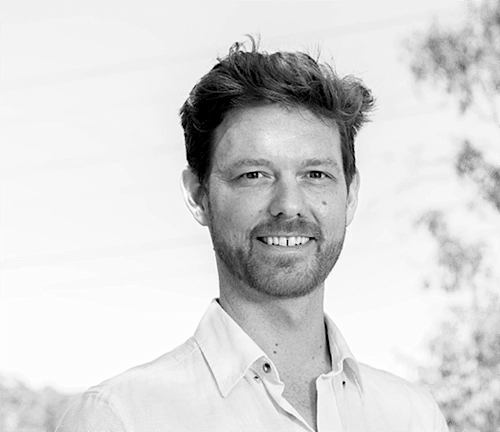
Prof. Martin Breed
SCIENTIFIC ADVISOR
Leading expert on restoration-health connections
Martin is the Matthew Flinders Professor of restoration ecology at Flinders University and a globally recognised leader in linking ecosystem restoration with human and environmental health. He leads the Frontiers of Restoration Ecology research group, which delivers practical solutions to major global challenges by restoring health-promoting biodiversity, pioneering restoration genomics, and harnessing plant–microbe interactions under rapid global change. His work shapes international restoration science, policy, and on-ground practice.
Martin maintains exceptional industry, government, and NGO partnerships across Australia and internationally. These connections enable his team to co-design research that moves rapidly from theory to implementation and delivers measurable ecological and societal impact. His research is widely used in national and global restoration standards, health and biodiversity frameworks, and in applied restoration.
-
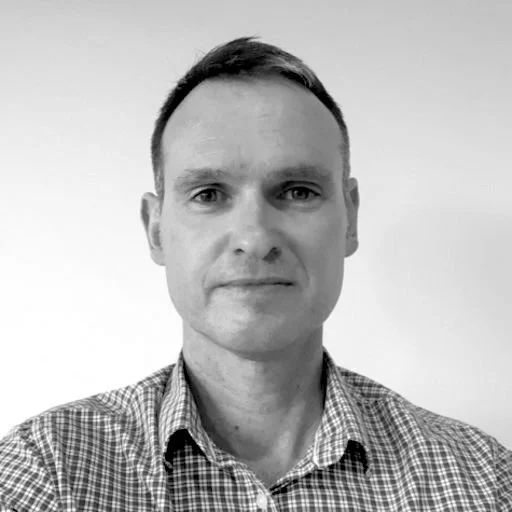
Dr Craig Liddicoat
SCIENTIFIC ADVISOR
Leading expert on soil microbiomes-health connections
Craig is a soil and gut microbiome researcher using DNA-based techniques to help better understand the beneficial connections between microbes, soil, plants, ecosystems and humans, especially in the context of ecosystem restoration and in contributing to One Health.
He works within the College of Science and Engineering at Flinders University, both leading and collaborating on research activities involving soil health, sustainable agriculture, restoration ecology, genomics and healthy environmental microbiomes.
Craig has pioneered new bioinformatic approaches to explore the links between soil microbiomes and human gut microbiomes.
He is passionate about advancing the study of biodiversity and human health connections, and brings expertise in soil science and microbiome data analytics.
-
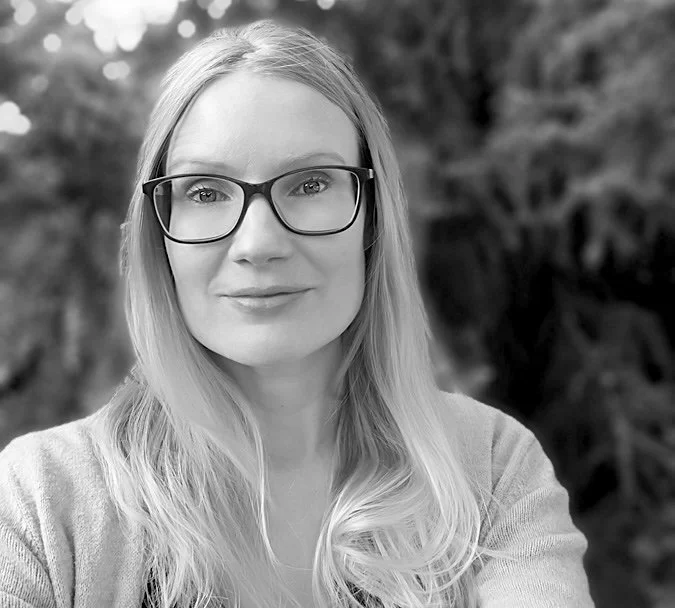
Dr Marja Roslund
SCIENTIFIC ADVISOR
Leading expert on (microbial) biodiversity interventions
Marja is an environmental scientist with a focus on connections among nature, biodiversity loss, urbanisation and human health. Currently, she works on the BIWE (Biodiversity Interventions for Well-being) project.
In BIWE, microbiologically oriented biodiversity interventions are performed to enhance biodiversity in urban built areas. The results of these intervention trials, jointly with publicly available land cover and ecological data, are analysed from the viewpoint of shifts in ecological and human well-being and health, ecological quality and urban planning.
BIWE interacts with people who are vulnerable to biodiversity loss in the everyday living environment, such as disabled, people with autism spectrum disorder and children.
Marja has pioneered biodiversity interventions, showing that interaction with natural materials can enhance the human microbiome and immune regulation.