NATURE-GUT-BRAIN-HEALTH CONNECTIONS
In today’s fast-paced, urbanised world, the profound links between (the rest of) nature, our gut microbiome and brain health are becoming increasingly apparent. While we often think of our health as determined by genetics and diet, emerging science reveals that our connection to the natural world, and the microbial communities within it, plays a vital role in how we feel, think, and even behave.
The Microbial World Within Us
At the heart of this connection is the gut microbiome: a bustling ecosystem of trillions of microorganisms, like bacteria, fungi and viruses, that reside in our digestive system. These microbes influence everything from digestion and immunity to mood and cognition. However, what’s often overlooked is how deeply interconnected our gut microbiome is with our external environment.
Nature, through soil, plants, water and air, provides diverse microbial exposure that can shape the composition of our microbial ecosystem, especially in early life. Historically, humans evolved in close contact with nature, regularly encountering soil microbes, breathing in fresh air and consuming whole, minimally processed foods. This constant interaction between the outside world and our inner microbial ecosystems (e.g., our gut microbiome) helped calibrate our immune systems and nurture resilience – our ability to bounce back after disease or stress.
But in the modern world, many of us live in densely urban environments, reducing this vital microbial exchange. Engaging with nature deeply can also shape our walking ecosystem indirectly - via the effects of multi-sensory experiences (through sight, touch, smell, sounds, taste) on our hormonal, nervous and immune systems.
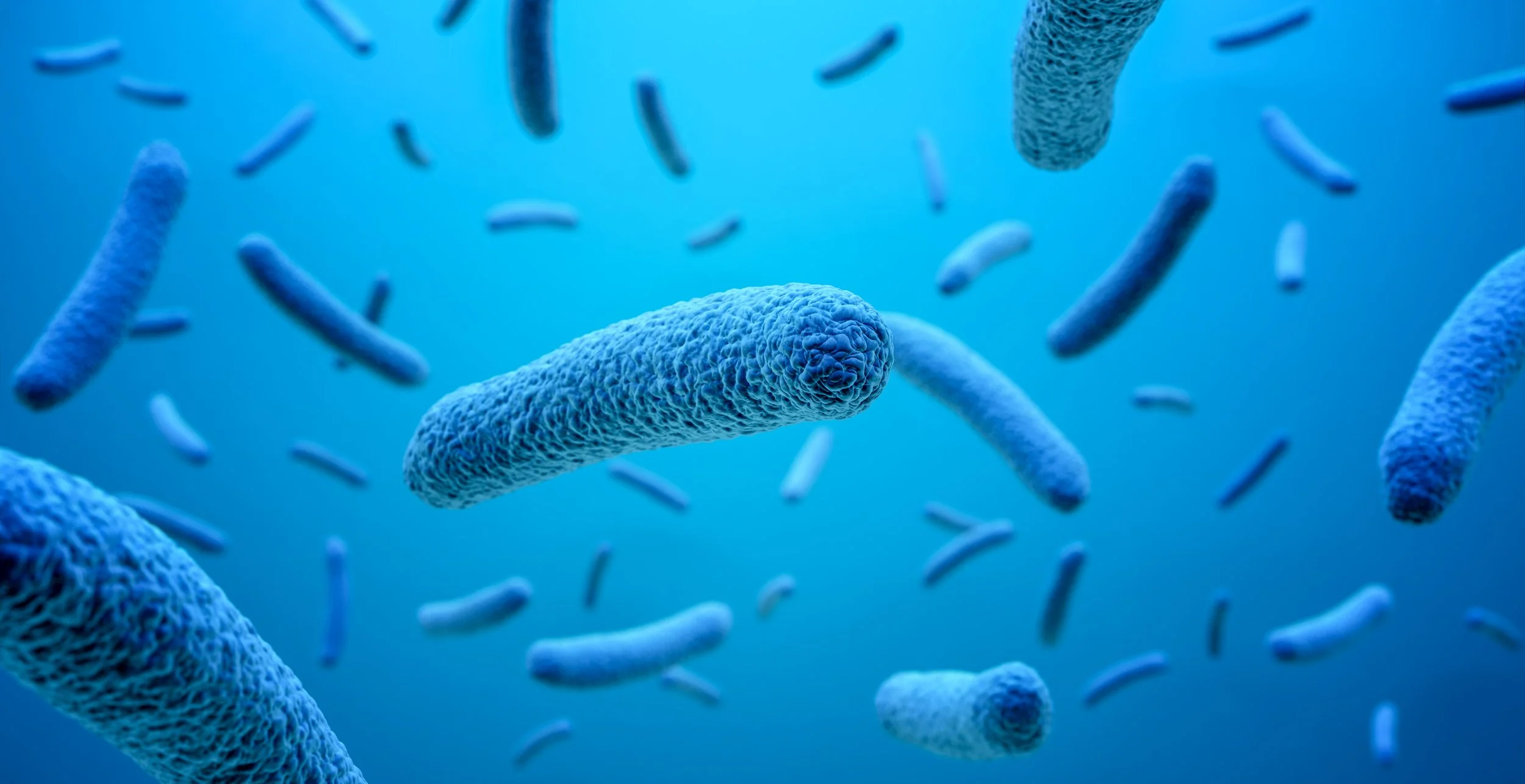
How Nature Influences the Gut
Microbial diversity from soil and plants
Nature is rich in beneficial microbes. When we garden, hike, or even breathe in forest air, we expose ourselves to these organisms. Microbes are everywhere (from woodlands to water closets), but the diversity of microbes in natural environments is the good stuff. For instance, microbial communities in polluted and degraded areas often have a higher abundance of pathogens. Research shows that interacting with unpolluted soil or eating freshly harvested, minimally processed foods can introduce a variety of microbes that strengthen our gut health, particularly during early life and maybe even later. For example, studies have found that children growing up in rural or green environments have a more diverse microbiome and are often less likely to develop allergies or autoimmune disorders compared to those in urban settings.Prebiotics and phytochemicals in natural foods
Fruits, vegetables, nuts and seeds (foods derived directly from the earth) are rich in dietary fibres and bioactive compounds like polyphenols. See my video on phytochemicals. These act as ‘prebiotics’, feeding beneficial gut bacteria and promoting the production of short-chain fatty acids (SCFAs) that support brain health.Reduction of stress and inflammation
Spending meaningful time in nature can reduce stress levels, as evidenced by lower cortisol levels and blood pressure. Stress can disrupt the gut microbiota, leading to inflammation and potentially gut permeability (the dreaded ‘leaky gut’ hypothesis). Nature acts as a buffer, helping regulate the gut-brain axis and restoring balance.We also inhale and ingest other biogenic compounds such as ‘phytoncides’ emitted by plants. These ‘essential oils’ are linked to reduced stress and blood pressure, improvements in immune function and healthier sleeping patterns.
The Gut-Brain Axis: Your Body’s Communication Superhighway
The gut and brain are in constant communication via the gut-brain axis, a network involving the vagus nerve, immune system and microbial metabolites – special chemicals produced by the microbes. A healthy gut microbiome produces neurotransmitters (and their precursors) like serotonin, dopamine and GABA, which can indirectly influence mood, behaviour and cognition. And vice versa - our nervous system is involved in producing chemicals that shape our gut microbiomes! It’s a two-way feedback system.
When this system is out of balance, whether due to poor diet, antibiotics, pollution or chronic stress, mental health can suffer.
Anxiety, depression, brain fog and even neurodegenerative conditions have all been linked to disruptions in the gut-brain axis. By nurturing a healthy gut microbiome through natural exposure and diet, we can positively impact brain function and mental resilience. Moreover, by caring for our mental health, we’re looking after our gut ecosystem and the positive feedback is reinforced - remember it’s a two-way mutualistic affair!
Why Reconnecting with Nature is Essential
The benefits of immersing ourselves in nature go beyond scenic beauty, although this is still very important (read more on the field of ‘neuroaesthetics’ for more). Here’s how nature directly supports the gut-brain connection:
Forest bathing (Shinrin-yoku)
The Japanese practice of ‘forest bathing’ involves immersing oneself in a forest environment. This simple act has been shown to lower cortisol, increase parasympathetic (rest-and-digest) activity, and enhance immunity.Physical activity in natural settings
Exercise alone can improve gut health, but exercising in natural settings provides an added boost. Running on trails, swimming in lakes or cycling through biodiverse green spaces exposes us to beneficial environmental microbes and reduces psychological stress.Natural light and circadian health
Exposure to natural light helps regulate our circadian rhythms, which influence both gut microbiota and mental health. Disruptions to this rhythm, often caused by artificial lighting, can negatively impact sleep, digestion and mood.Hands-on activities: gardening and urban farming
Gardening and playing with forest floor materials have been scientifically shown to enhance skin microbial diversity linked with more appropriate immune responses. Urban indoor gardening studies reveal that even small-scale exposure to soil microbes can improve inflammatory markers and mood.
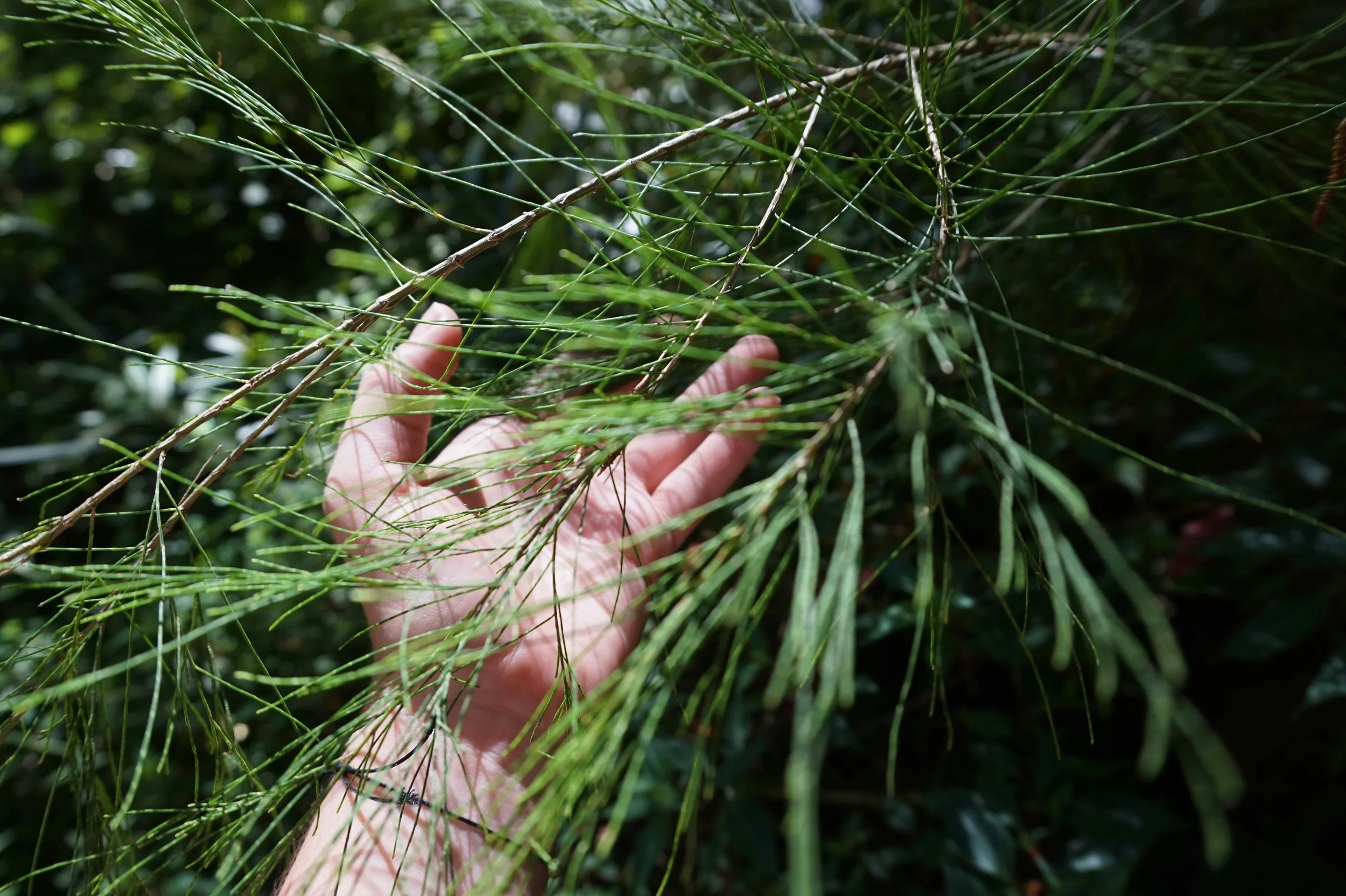
We can promote nature connectedness through strategic activities. This also strengthens the nature-gut-brain connection.
Practical Tips to Strengthen the Nature-Gut-Brain Connection
Spend time outdoors daily
Aim to spend at least 30 minutes in a biodiverse green space each day, whether it’s walking through a park, forest bathing or gardening. If you can’t do this, try and bring nature into your house - think house plants!Eat whole, plant-based foods
Incorporate prebiotic-rich foods like asparagus, garlic, broccoli and berries, and enjoy a rainbow of fruits and vegetables for their diverse phytochemicals.Get your hands dirty
Don’t shy away from soil and plants! Whether you garden or simply touch the earth during outdoor activities, this exposure may enrich your microbial ecosystem.Practice mindfulness in nature
Combine the stress-reducing benefits of mindfulness with time in nature. Meditate under a tree, practice yoga outdoors, or take mindful walks to calm both the brain and gut.Prioritise natural fermented foods
Add kefir, sauerkraut, kimchi or kombucha to your diet. These fermented foods can introduce beneficial bacteria to your gut and provide the food the microbes love to eat! As John Cryan says, “You are what your microbes eat!”Encourage natural play for kids (or ‘Dirty play’)
Allow children to play outdoors, climb trees and explore natural environments to nurture their developing microbiomes, immune systems, cognition and nature connectedness.
By nurturing this ‘nature-gut-brain’ relationship, through meaningful time outdoors, whole foods and mindful practices, we can cultivate a healthier gut, a sharper brain and a more balanced life.
Reconnecting with nature is a lifestyle choice and a scientifically grounded pathway to enhanced health and wellbeing.
So step outside, take a deep breath, and let nature nurture you from the inside out.
Visit www.jakemrobinson.com for more
Subscribe to the Nature. Gut. Brain. YouTube channel for regular science-packed videos!