How the Gut Talks to the Brain, and What It Means for Your Health
Your gut is where food is digested. But it’s also way more than that. It’s a bustling metropolis of trillions of microbes constantly communicating with your brain. This conversation highway, known as the microbiota-gut-brain axis, is reshaping how we think about mental health and neurological conditions. From mood to memory and diseases like Alzheimer’s and Parkinson’s, it’s becoming clearer that this connection plays a role.
What Is the Microbiota-Gut-Brain Axis?
The microbiota-gut-brain axis is the two-way communication system between the microbes in your gut and your brain. These microbes release chemical messengers like neurotransmitters and short-chain fatty acids (SCFAs) that influence brain function (even if they don’t all pass through the blood-brain barrier - the brain’s defence wall).
At an elementary level, think of it as your gut microbes texting your brain, and vice versa… It is, of course, inordinately more complex than this, but essentially, it’s all about signalling.
Your Gut Microbes as Brain Boosters or Blockers
Healthy guts and their resident microbes can promote brain health by:
Strengthening barriers
They support the integrity of the gut lining and the blood-brain barrier, keeping harmful substances out of your system.
Reducing inflammation
Certain gut bacteria produce SCFAs, which can calm inflammation and protect brain cells.
However, when the microbial balance is disrupted (a condition called ‘dysbiosis’), it’s like your gut is sending distress signals to your brain. This can lead to increased adverse inflammation and has been linked to conditions such as:
Alzheimer’s disease
Studies show gut microbiome changes can influence inflammation and immune signalling linked to amyloid-beta accumulation in Alzheimer’s disease.
Parkinson’s disease
Altered gut microbes can contribute to inflammation and disrupted gut–brain signalling pathways involved in Parkinson’s disease, potentially influencing motor symptoms.
Microbes and Mental Health
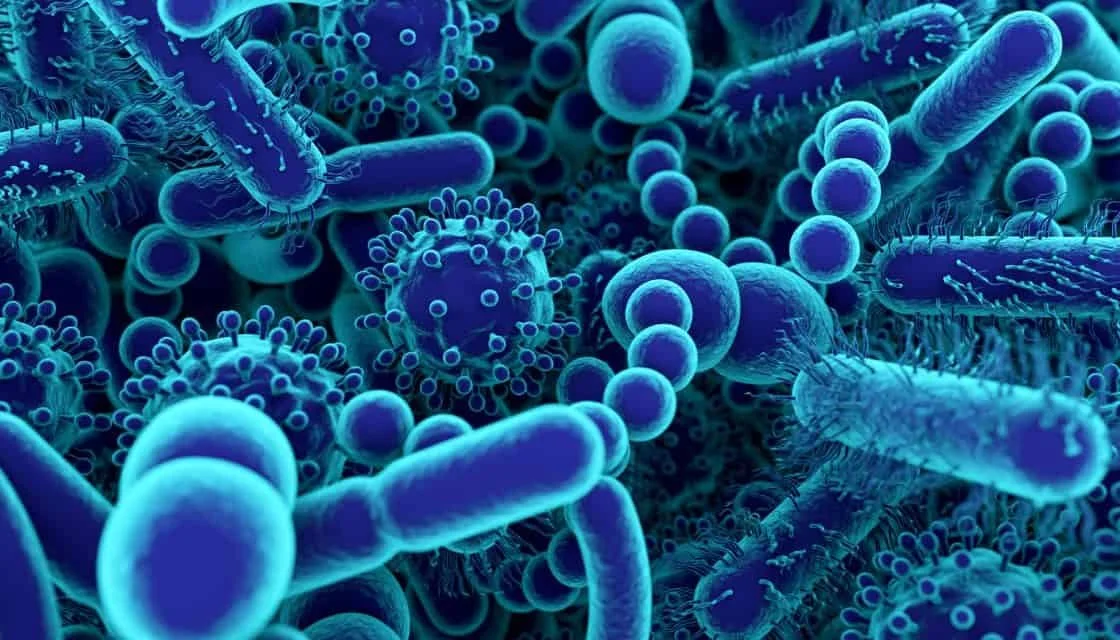
Did you know that about 90% of the body’s serotonin, a key ‘happiness hormone’, is produced in the gut? While this serotonin doesn’t cross the blood–brain barrier to directly affect your mood, it plays an important role in signalling within the gut–brain axis. Microbes are essential in regulating the production of this and other mood-related chemicals by stimulating specialised cells in the gut called enterochromaffin cells. Disruptions in the gut microbiome have been linked to mood disorders such as depression and anxiety, likely through indirect pathways involving the vagus nerve, immune system and metabolic signalling.
Can We Hack the Gut-Brain Axis?
The exciting news is that we can potentially improve our brain health by taking care of our gut microbiome. Here’s how:
Eat for your microbes
A fibre-rich diet, including plenty of fruits, vegetables and whole grains, helps beneficial bacteria and other organisms thrive.
Probiotics and prebiotics
Adding fermented foods or supplements to your diet can help the beneficial microbes - it’s providing the food that the microbes love to eat!
Faecal microbiota transplantation (FMT)
While it sounds futuristic, FMT is emerging as a potential therapy for neurodegenerative diseases by rebalancing gut microbes. It’s currently used to treat a nasty infection called ‘C. diff’ (the Clostridioides difficile bacterium) with great results. However, I think it’s important to take a holistic approach to our lives, rather than always seeking a quick fix. This involves long-term changes to our diets and environmental exposures.
The Future of Brain Health Starts in Your Gut
The microbiota-gut-brain axis may be a game-changer in understanding health. While we’re just beginning to unravel its complexities, one thing is clear: caring for your gut could mean a healthier, happier brain and a longer, brighter future.
Watch out for news on the ‘brain microbiome’, too. It’s hotly debated as scientists traditionally thought the brain was a sterile environment. But more evidence is pointing to our brains having their own resident microbial communities. Check out this Conversation article for more on the potential brain microbiome: https://theconversation.com/the-brain-might-also-have-a-microbiome-what-you-need-to-know-229328 - and here’s my video on this very topic: https://www.youtube.com/watch?v=xu3ls0ETA78&t=407s
Check back again on the Brain Fuel blog for more untangled science!
Also, head over to the Nature. Gut. Brain. YouTube channel to learn more: https://www.youtube.com/@naturegutbrain