How Playing in Green Daycare Yards Boosts Kids' Immune Health
In an exciting study, researchers explored how increasing exposure to nature in urban daycare centres could improve children’s health. By enriching playgrounds with forest soil, plants and sod (the top layer of soil containing living grass and roots), they discovered significant benefits for the children's immune systems and microbiomes – the diverse communities of microbes living on their skin and in their guts. Here’s what they found and why it matters.
Nature and the Immune System
Modern urban lifestyles often limit children's exposure to the rich microbial diversity found in natural environments. This lack of exposure can affect the development of their immune systems, contributing to the rise of immune-related conditions like allergies, asthma and autoimmune diseases.
To address this, researchers tested the ‘biodiversity hypothesis’, which suggests that contact with diverse microbes helps train the immune system, making it more balanced and less prone to overreacting to harmless stimuli, like pollen and dust.
The Experiment: Turning Daycare CENTRES Green
The study involved 75 children, aged 3 to 5, across three types of daycare settings in Finland:
Standard daycares: Urban playgrounds with little or no greenery.
Intervention daycares: Yards enriched with forest floor, grass, and planters.
Nature-Oriented daycares: Children visited nearby forests daily.
For one month, children in the intervention group played in their transformed green spaces, touching soil, plants and sod for about 1.5 hours per day.
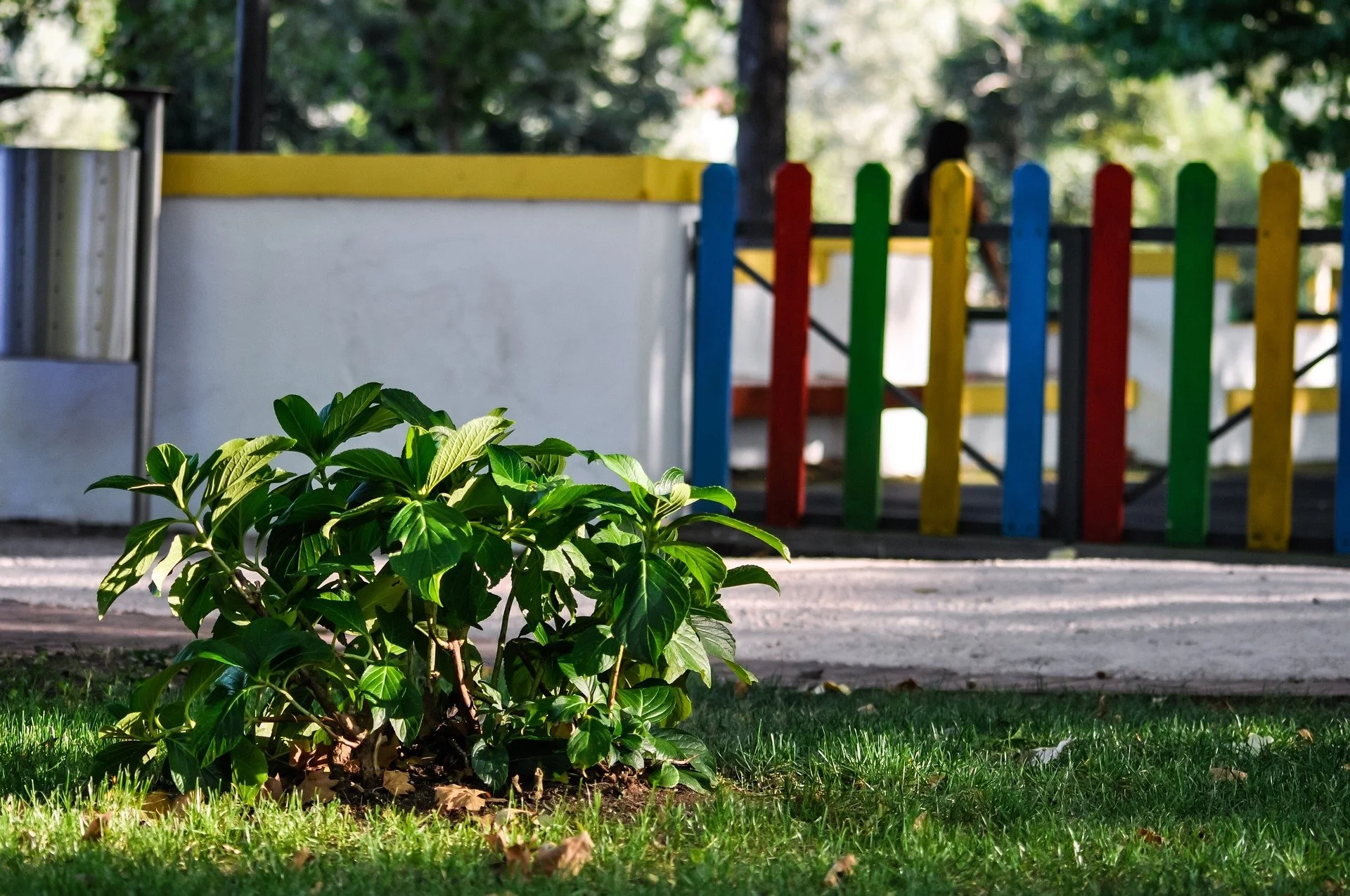
Biodiversity interventions can boost children’s microbiomes and immune systems.
What Changed in Just 28 Days?
1. More Diverse Microbes on Skin and Gut
The children in greened daycare yards had an increase in beneficial skin bacteria, particularly Gammaproteobacteria, known to support immune health.
Their gut microbiomes also shifted, showing an increase in diversity, particularly of Ruminococcaceae, a family of bacteria linked to gut and overall health. However, these shifts were not linked to the environmental microbiome.
2. Improved Immune Regulation
Children in greened daycares had higher levels of TGF-β1, a molecule that helps regulate the immune system and reduce inflammation.
The ratio of anti-inflammatory to pro-inflammatory markers (IL-10:IL-17A) improved, suggesting their immune systems were becoming more balanced.
3. Benefits Comparable to Forest Visits
The microbiomes and immune markers of children in intervention daycares became more similar to those of children in nature-oriented daycares, who had daily forest exposure.
Why This Matters
The findings highlight how simple, low-cost changes to urban environments can provide children with the health benefits of nature exposure. Enhancing microbial diversity in everyday settings, like playgrounds and schoolyards, could help reduce the risk of immune-related disorders in urban populations.

Playing in nature is vital for children’s immune systems, cognitive development and nature connectedness.
How It Works: Microbes and Immunity
Skin and soil connection
Many microbes found in healthy soils, like some Proteobacteria, were also detected on the children’s skin. Touching natural materials helped transfer these beneficial microbes, boosting skin microbial diversity.
Microbiome training the immune system:
Exposure to diverse microbes ‘educates’ the immune system, teaching it to tolerate harmless substances and respond appropriately to threats.
Anti-inflammatory effects
Changes in gut and skin microbiomes were linked to increased regulatory T cells, which play a key role in preventing excessive immune responses.
What This Means for Urban Families
In urban areas where natural environments are scarce, incorporating diverse green spaces into playgrounds, schools, and public areas could offer children critical health benefits. By creating opportunities for kids to play in microbiologically diverse environments, cities can:
Support immune development.
Reduce the prevalence of allergies and chronic inflammatory conditions.
Improve overall wellbeing.
How You Can Help Your Kids Reap These Benefits
Even if you don’t have access to a green daycare yard, you can:
Encourage outdoor play: Visit parks, forests or gardens regularly.
Embrace the dirt: Let kids play in the soil and touch plants (as long as you know they’re non-toxic - I’ll do another blog soon on how you can find out) – it can be great for their health and connection to nature.
Add greenery at home: Grow plants or create small natural spaces in your yard, balcony or even indoors.
Support green initiatives: Advocate for more biodiverse urban spaces in schools and communities.
A Path Forward
This groundbreaking study shows how small environmental changes can have big impacts on children’s health. By reconnecting kids with nature, even in urban settings, we can foster healthier futures for them and their communities.
Want to learn more about the fascinating connections between nature, microbes and health? Check the Brain Fuel blog again for more insights into how biodiversity benefits us all.
Also, head over to the Nature. Gut. Brain. YouTube channel to learn more: https://www.youtube.com/@naturegutbrain
The study can be found here: https://www.science.org/doi/full/10.1126/sciadv.aba2578
For more on this topic, check out the book, Invisible Friends: How Microbes Shape Our Lives and the World Around Us!