Shinrin-Yoku: How Forests Rejuvenate Mind and Body
Imagine a ‘medicine’ that reduces stress, strengthens your immune system, improves sleep and even helps prevent serious diseases, all without a prescription. The good news? It’s not found in a pill bottle but in the forest. Cue: Shinrin-yoku or forest bathing, a Japanese practice making waves in the world of health and wellness.
What Is Forest Bathing?
Despite its name, forest bathing doesn’t involve water. Instead, it’s about immersing yourself in the forest atmosphere, engaging your senses to soak in the sights, sounds, smells and textures (and microbes!) of nature. No rigorous activity is required; it’s all about mindfully being in the forest, not just doing in the forest.
Introduced in Japan in 1982, Shinrin-yoku was designed as a national health programme. Since then, researchers like Prof. Qing Li have uncovered its powerful health benefits. It’s grounded in science, with the emerging field of Forest Medicine exploring how time in forests can prevent disease and enhance overall wellbeing.
The Science Behind the Serenity
So, what’s happening in your body when you spend time in the forest?
1. Boosts Your Immune System
Forests are filled with phytoncides, which are antimicrobial, aromatic compounds emitted by trees to protect themselves from insects and pathogens. When you breathe in these natural oils, some can stimulate your body's production of natural killer (NK) cells, a type of immune cell that destroys virus-infected and cancerous cells.
Studies show that a single forest visit can increase NK cell activity by up to 50%, and this immune boost can last for up to 30 days. This means regular trips to the forest might help protect you from infections and even reduce cancer risk.
2. Reduces Stress Hormones
Stress is a natural response to life’s challenges, but chronic stress wreaks havoc on your health. Forest bathing directly counters this by lowering the levels of stress hormones like:
Cortisol
The ‘stress hormone’ that, when elevated for too long, can contribute to weight gain, high blood pressure and impaired immune function.
Adrenaline and noradrenaline
These hormones prepare your body for ‘fight or flight’ situations (e.g., needing to escape predation) but can lead to anxiety and hypertension when constantly elevated.
Time in the forest reduces these hormones by activating the parasympathetic nervous system, the part of your body responsible for ‘rest and recovery’, and calming the sympathetic nervous system, which drives the ‘fight or flight’ response.
3. Improves Cardiovascular Health
High blood pressure and a racing heart are often signs of stress and urban living. Forest bathing has been shown to lower both:
Blood pressure
Spending time in forests can lower both systolic blood pressure (the pressure when your heart pumps) and diastolic blood pressure (the pressure when your heart relaxes), likely due to a combination of reduced stress hormones and improved autonomic nervous system balance.
Heart rate
A slower heart rate in the forest reflects greater parasympathetic (calming) activity and reduced sympathetic (stress-related) activity. Essentially, the multisensory experience in nature is processed by the brain, which talks to a giant nerve that secretes a chemical called acetylcholine. This chemical binds to special receptors in your heart and triggers a calming, heart rate-reducing response.
This dual action makes forest therapy a natural way to protect against hypertension and heart disease.
4. Enhances Mental Clarity and Mood
Shinrin-yoku helps your body and can profoundly impact your mind. Spending time in nature has been shown to:
Increase serotonin levels
This ‘feel-good’ neurotransmitter helps regulate mood, and higher levels are linked to reduced depression and anxiety.
Lower negative emotions
In tests like the Profile of Mood States (POMS), participants have reported reduced feelings of anger, anxiety, fatigue and confusion after forest bathing.
Boost positive feelings
Forest time increases vigour and emotional resilience, helping you feel more energised and mentally restored.
5. Supports Better Sleep
Sleep quality is vital for overall health, and forest bathing can help. Reduced stress hormones and a calmer nervous system translate into better rest. In studies, participants reported feeling more refreshed and alert after forest visits, with longer and more restorative sleep.
One mouse study reported how phytoncides (plant-based chemicals) interact with a neurotransmitter (GABA) responsible for regulating excitation in the brain, with sleep-inducing effects.
6. Anti-Inflammatory and Hormonal Benefits
Forests also support your health at a deeper, biochemical level:
Adiponectin levels
This hormone, which has anti-inflammatory and anti-cancer properties, increases after forest bathing. Low levels of adiponectin are linked to obesity and metabolic disorders.
Dehydroepiandrosterone sulfate (DHEA-S)
Often called the ‘longevity hormone’, DHEA-S supports cardiovascular health and immune function. Forest bathing may help to maintain higher levels, particularly as we age, although more research is needed.
Why Do We Need Forest Bathing?
In today’s hyper-connected, tech-driven world, urban living has left many of us overstimulated, overworked and overwhelmed. Chronic stress, sedentary lifestyles and ‘technostress’ (from constant digital interactions) are contributing to a rise in non-communicable (non-infectious) diseases like cancer, heart disease, diabetes and depression.
Forest bathing offers a simple, accessible way to combat these modern health challenges. By reconnecting with (the rest of) nature, we tap into ancient, evolutionary mechanisms that regulate our bodies and minds. It’s no wonder that Shinrin-yoku has been embraced as a form of preventive medicine.
How to Practice Forest Bathing
The beauty of Shinrin-yoku is its simplicity. Here’s how to get started:
Find a green space
A forest is ideal, but even a local park can work.Unplug and slow down
Leave your phone behind or set it to aeroplane mode. The goal is to be present and mindful.Engage your senses
Sight: Observe the shifting light, vibrant greens and patterns of the forest.
Smell: Take in the earthy aroma of moss and the sharpness of pine or cedar.
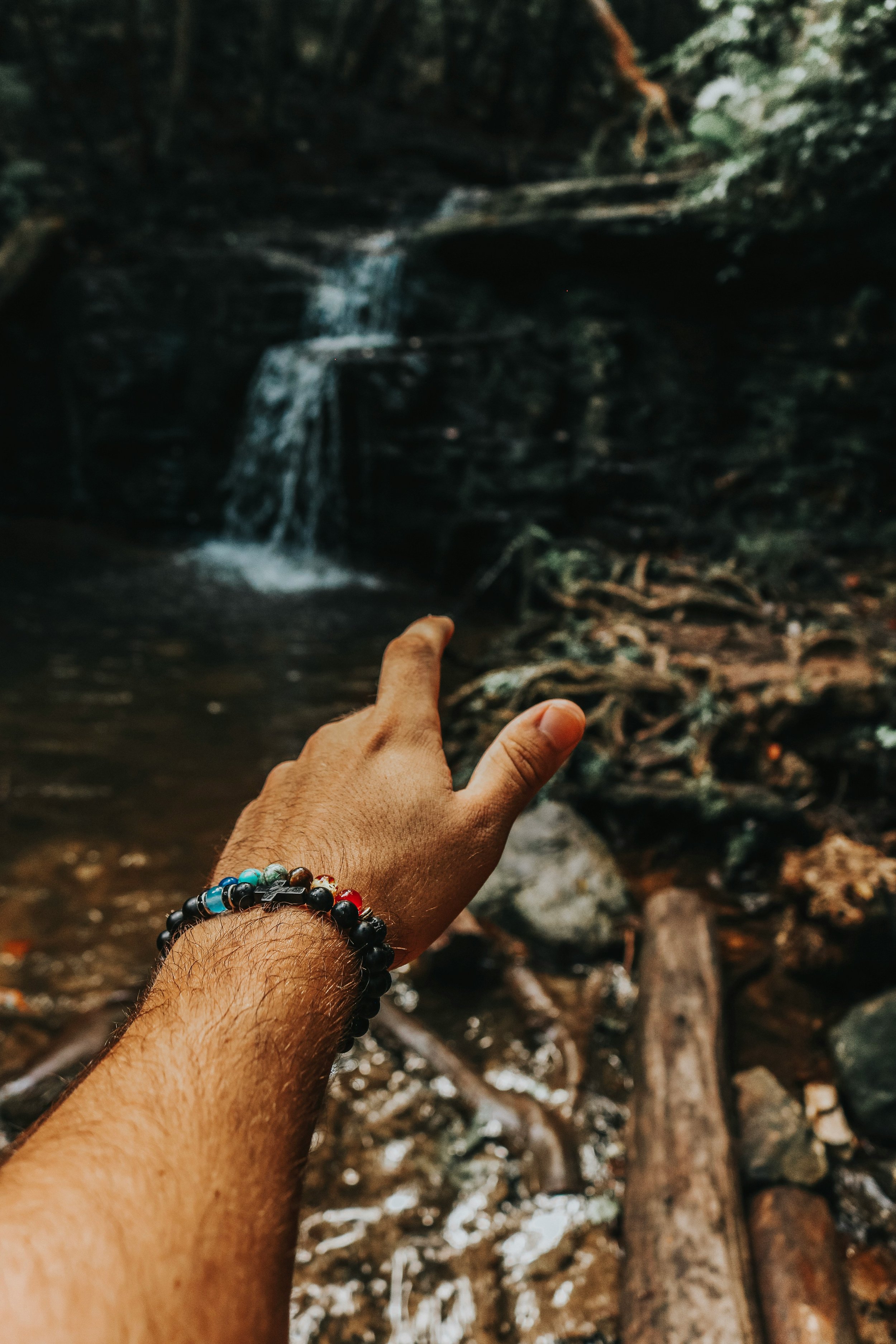
Hearing: Listen to bird calls, rustling leaves or a babbling brook.
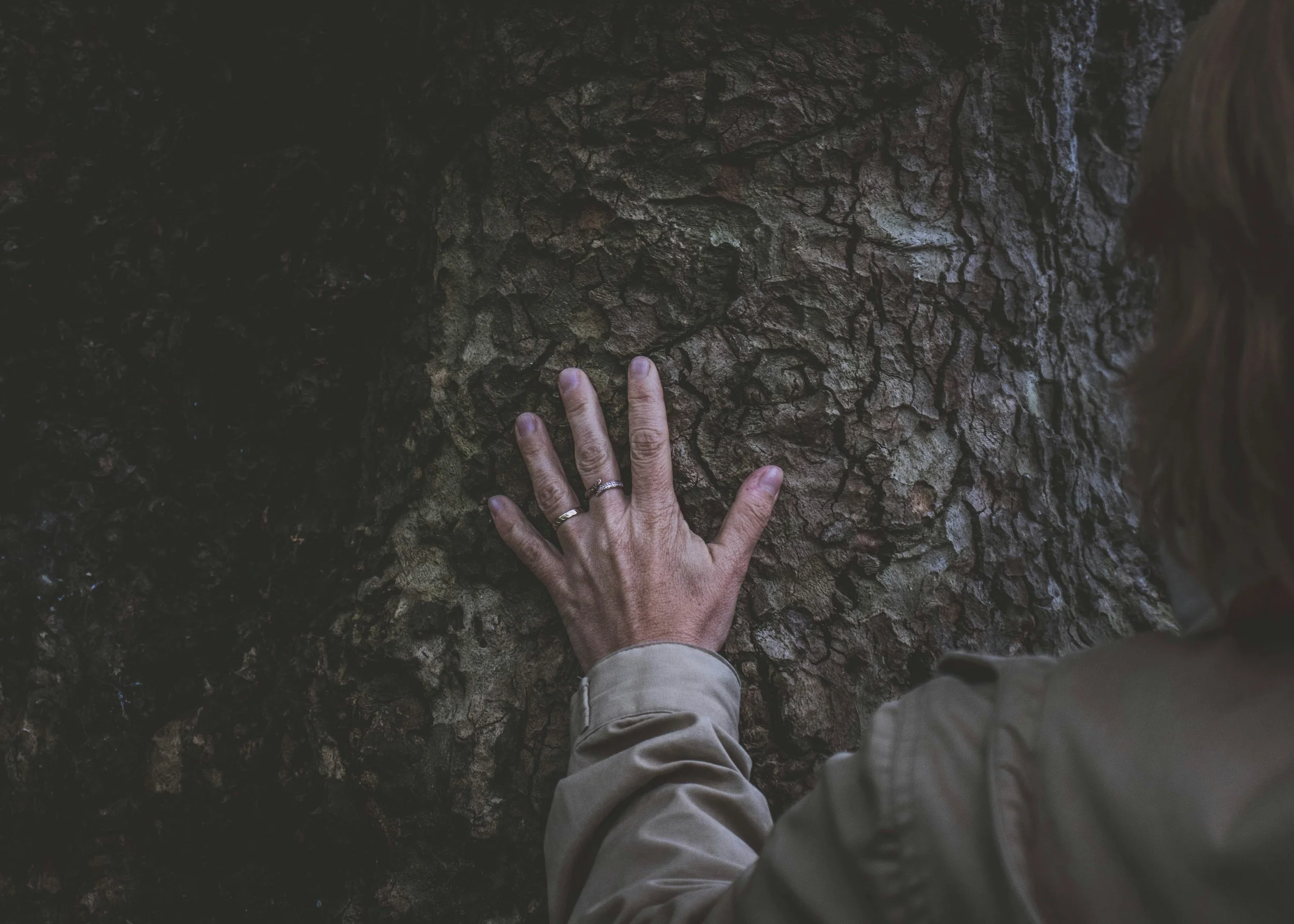
Touch: Feel the rough bark of a tree or the softness of fallen leaves.
Taste: Savour the freshness of the air or a forest-inspired snack.
Be mindful
Wander without a destination. Sit and breathe deeply. Let the forest set the pace.
If you’d like to join a Science of Forest Bathing walk and talk to learn more, send Jake an email jake@naturegutbrain.com
Forest bathing is a scientifically validated practice with profound health benefits. From strengthening your immune system to calming your mind, it offers a natural, cost-effective way to improve well-being in our increasingly urbanised world.
Head over to the Nature. Gut. Brain. YouTube channel to learn more: https://www.youtube.com/@naturegutbrain
Find Qing Li’s review on the benefits of forest bathing here.
Check back for more science untangled here on the Brain Fuel blog.