Modern diets can significantly influence our health, including brain function and emotional wellbeing. A recent review in Nature Metabolism explores how our gut microbiota, the vast community of microorganisms in the digestive tract, interacts with diet to influence brain health through a proposed "diet–microbiota–gut–brain axis".
Here's how nourishing your gut microbes might be the key to boosting your brain health.
The Gut–Brain Connection
The gut and brain communicate continuously through the microbiota–gut–brain axis, a bidirectional communication pathway involving neural, hormonal and immune signals. This relationship highlights how gut health can impact mood, cognition and mental health.
Diet's role:
Diet is one of the most powerful and accessible ways to shape the gut microbiota, with rapid effects. For example, switching from an animal-based to a plant-based diet can alter gut microbial composition in just 24 hours.
Healthy dietary habits support beneficial gut bacteria, which, in turn, promote brain health. Conversely, diets high in sugar and ultra-processed foods may reduce microbial diversity, potentially contributing to neuropsychiatric disorders.
The Diet–Microbiota–Gut–Brain Axis
This emerging framework links dietary patterns, gut microbiota and brain health. Here's how it works:
Diet shapes gut microbiota
Fibre-rich foods (e.g., fruits, vegetables, whole grains) nurture beneficial bacteria that produce metabolites like short-chain fatty acids (SCFAs).
High-fat and high-sugar diets promote inflammation-inducing microbes, linked to cognitive decline.
Gut microbiota influences the brain
Microbial by-products such as SCFAs, tryptophan metabolites, and neurotransmitter precursors travel to the brain, modulating mood and cognition.
A healthy microbiota likely strengthens the gut lining, preventing harmful substances from entering the bloodstream and reaching the brain.

A diverse diet rich in fibre and polyphenols is great for your gut microbiome!
Impact on Brain Health
Cognition and Emotional Function
Positive effects
A Mediterranean diet rich in fibre, unsaturated fats, and polyphenols can increase microbial diversity, reduce inflammation, and enhance cognitive performance.
Fermented foods, such as yoghurt and kimchi, may improve mood and memory by supporting beneficial microbes.
Negative effects
Western diets high in processed foods and saturated fats disrupt the gut microbiota, leading to increased inflammation and impaired cognitive function.
Mental Health Disorders
Depression and anxiety
Poor diets can exacerbate stress and mood disorders by altering gut microbiota and increasing inflammation.
Fibre and fermented foods improve perceived stress and emotional resilience.
Neuropsychiatric disorders
Altered gut microbiota composition is associated with conditions like schizophrenia, autism spectrum disorder (ASD) and Alzheimer’s disease.
Dietary interventions targeting the gut microbiota show promise in mitigating symptoms and delaying disease progression.
Key Nutritional Components
Fibre
Supports SCFA production, which promotes gut and brain health.
Proteins
Plant-based proteins improve microbial diversity and support anti-inflammatory pathways, whereas excessive animal-based protein intake may increase inflammatory markers.
Fats
Unsaturated fats (e.g., omega-3s) enhance microbial diversity and brain health, while saturated fats can reduce microbial diversity and increase inflammation.
Micronutrients
Vitamins like B6 and D and minerals like zinc are critical for gut and brain health.
Fermented foods
May increase gut microbial diversity and support cognitive and emotional health.
Potential Mechanisms
Microbial metabolites
SCFAs and other metabolites regulate inflammation, support gut barrier integrity and act as energy sources for the brain.
Immune signalling
Gut microbiota modulates the immune system, influencing brain health through anti-inflammatory pathways.
Neurotransmitters
Gut bacteria produce precursors for serotonin, dopamine and GABA, directly impacting mood and cognition.
Vagus nerve
The gut communicates with the brain via the vagus nerve, which transmits microbial signals affecting behaviour and emotional states.
Implications for Health
The diet–microbiota–gut–brain axis presents opportunities for interventions to improve brain health:
Preventive approaches
Encouraging Mediterranean (or similar ‘rainbow’ diets) or fibre-rich diets may reduce the risk of neuropsychiatric disorders.
Therapeutic strategies
Combining probiotics, prebiotics, and personalised nutrition plans may help manage conditions like depression, ADHD and Alzheimer’s disease.
However, it’s always best to take a holistic, proactive approach rather than a reactive one.
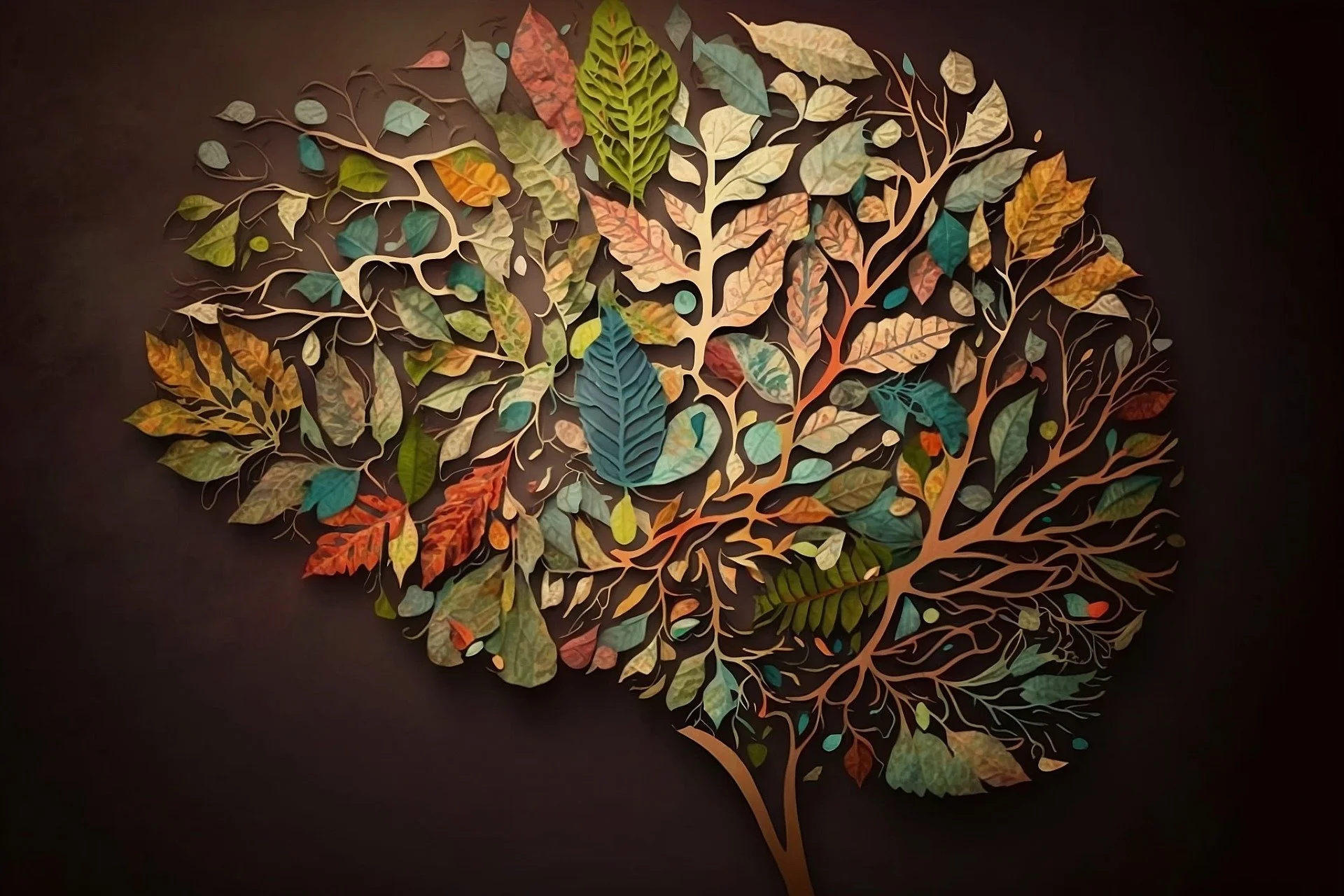
Brain health is intimately tied to gut health. Interacting with nature and eating diverse foods maintains gut and brain health.
Takeaways
Nourishing your brain starts with feeding your gut and its resident microbes. By adopting a diet rich in fibre, fermented foods, and healthy fats, you can support a diverse and balanced gut microbiota, enhance brain function and promote emotional wellbeing.
Think about taste and nutrition, but also consider the profound connection between your gut and brain!
The article can be found here: https://www.nature.com/articles/s42255-024-01108-6
Check back again on the Brain Fuel blog for more untangled science!
Also, head over to the Nature. Gut. Brain. YouTube channel to learn more: https://www.youtube.com/@naturegutbrain