When you think of gardening, you might imagine sunny days spent outdoors. But what if you could reap the health benefits of gardening indoors, even in the middle of winter? A new study reveals that urban indoor gardening may improve your microbiome, the diverse community of microbes living on your skin, and enhance your immune system. Here’s how this works and why it could be a game-changer for health-conscious city dwellers.
The Connection Between Microbes, Immune Health and Gardening
Your immune system doesn’t operate in isolation; it constantly interacts with the trillions of microbes living in and on your body (and your skin microbiome is arguably part of your immune system). According to the ‘old friends’ and ‘biodiversity hypotheses’, exposure to a diverse range of environmental microbes, such as bacteria, fungi, and viruses, helps ‘train’ your immune system to respond appropriately, reducing the risk of immune-mediated diseases like allergies, asthma, and autoimmune disorders.
However, urban lifestyles often limit exposure to these beneficial microbes, especially during colder months. This study tackled the challenge by asking participants to grow edible plants indoors using different soil types. Could microbially rich soil enhance their immune systems?
The Study: Gardening for Better Health
Researchers recruited healthy urban adults to participate in a one-month indoor gardening trial during winter. Participants were split into two groups:
Intervention group: Used a microbially rich soil mix made from compost, leaf litter and other natural materials.
Placebo group: Used a visually similar but microbially poor peat-based soil.
Both groups received identical gardening equipment, plants and instructions, ensuring the only variable was the soil's microbial richness.
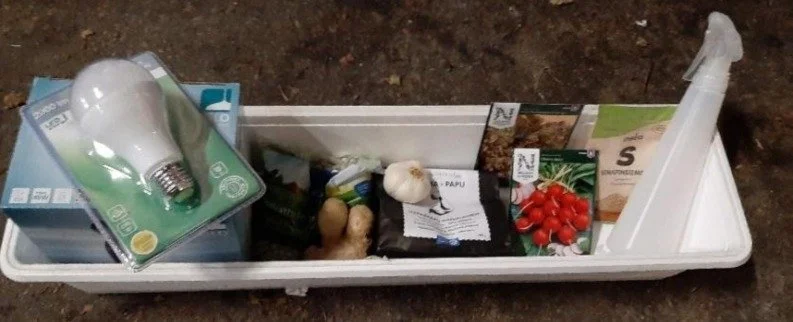
Indoor gardening can enhance the microbiome and is great for wellbeing.
Key Findings
1. Healthier, More Diverse Skin Microbiota
Participants using the microbially rich soil showed an increase in skin bacterial diversity, especially in beneficial bacterial groups like Proteobacteria and Bacteroidetes.
More complex microbial interaction networks were detected on their skin, indicating a healthier and more robust microbial community.
No such changes were observed in the placebo group.
2. Enhanced Immune Regulation
The intervention group experienced a significant increase in interleukin-10 (IL-10), an anti-inflammatory molecule that helps regulate immune responses.
These changes suggest that gardening with microbially rich soil could help balance the immune system, reducing inflammation and the risk of immune-related disorders.
3. Gardening Satisfaction and Adherence
Participants in both groups reported high satisfaction with the trial, with many expressing interest in continuing indoor gardening. This highlights the activity’s potential as a sustainable, enjoyable way to improve health.
Why This Matters
This study is the first to demonstrate that indoor gardening using microbially rich soil can positively impact both skin microbiota and immune regulation. Unlike outdoor gardening, indoor gardening provides a year-round opportunity for microbial exposure, making it ideal for urban environments where access to natural spaces may be limited.
How Does It Work?
Microbial exposure through soil contact
Touching soil transfers beneficial microbes to the skin, enriching microbial diversity and strengthening the skin barrier.
Immune system benefits
The diverse microbes from the soil interact with the body, promoting anti-inflammatory responses and balancing immune activity.
Dietary connection
Consuming plants grown in microbially rich soil may further influence gut microbiota, which plays a key role in immune health.
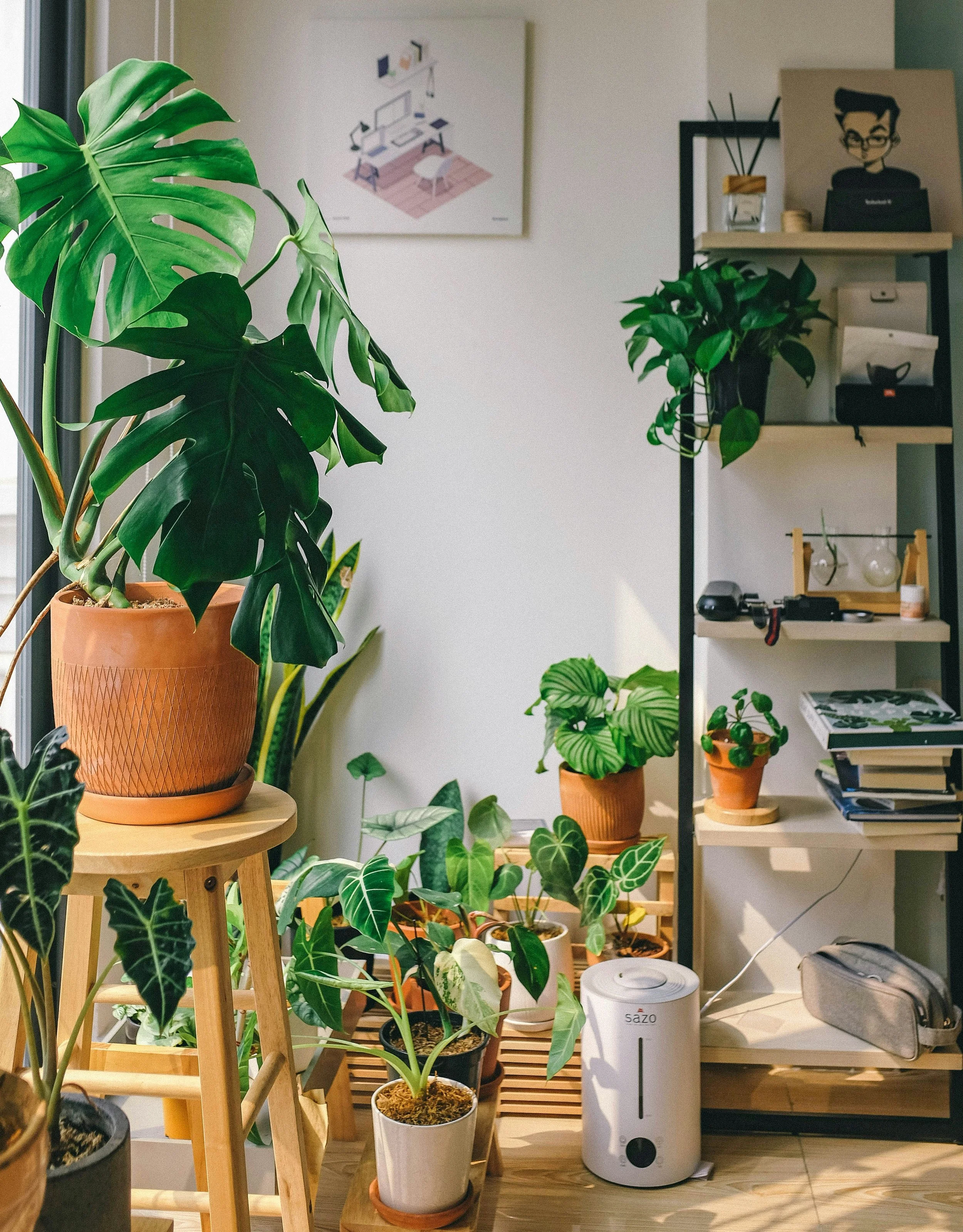
House plants can influence the home microbiome and can help you strengthen your relationship with nature.
How You Can Try This at Home
You don’t need a green thumb to start your own indoor gardening journey. Here’s how:
Choose microbially rich soil
Look for soil blends enriched with natural compost or organic materials.
Grow edible plants
Start with easy-to-grow options like lettuce, radishes, peas or microgreens.
Make it a daily habit
Tend to your plants daily, using bare hands for tasks like watering and harvesting to maximise contact with beneficial microbes.
Enjoy the process
Gardening isn’t just about growing plants; it’s a mindful activity that connects you to nature and promotes wellbeing.
The Bigger Picture
This study supports the idea that small, sustainable changes in daily life, like gardening, may have profound impacts on health. Whether in schools, offices or homes, indoor gardening offers a practical way to reconnect with nature, even in urban settings. By bringing the benefits of soil-based microbes indoors, we can create healthier environments for ourselves and our communities.
So, why not start your own indoor garden today? Your skin, immune system and overall wellbeing will thank you!
The study can be found here: https://www.sciencedirect.com/science/article/pii/S0160412024002915
Check back again on the Brain Fuel blog for more untangled science!
Also, head over to the Nature. Gut. Brain. YouTube channel to learn more: https://www.youtube.com/@naturegutbrain